
What is crime?
Why does it occur?
Crime reflects the complexities of society.
Criminology offers the key to understanding society and human behavior.
The Master programme in Criminology and Criminal Justice offered by Department of Sociology, Faculty of Social Sciences dedicated to training future researchers and practitioners with global perspectives and strong empirical skills. Hear directly from our current students and alumni about their transformative experiences!
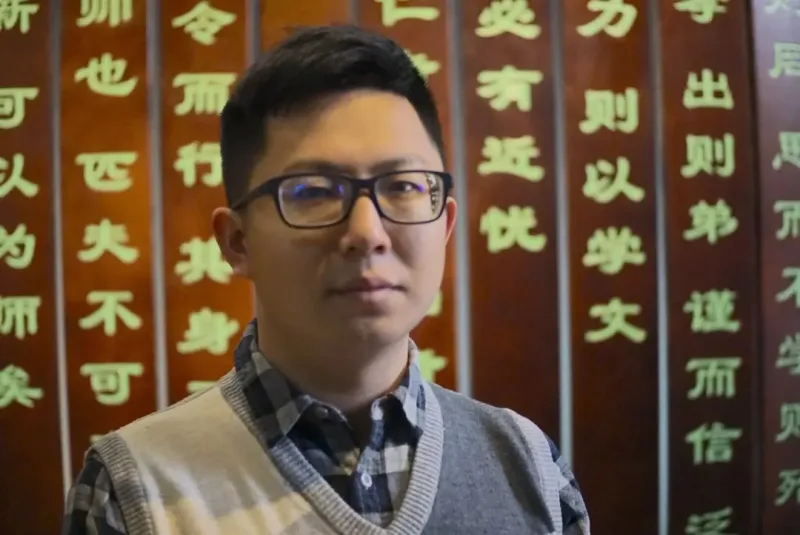
Xia Yiwei
Associate Professor, School of Law, Southwestern University of Finance and Economics
Master of Social Sciences in Criminology and Criminal Justice, PhD in Sociology (Criminology), University of Macau
“I completed my undergraduate degree at Southwest University of Political Science and Law, majoring in Criminal Investigation Science and Technology. Initially, my view of criminology was quite limited—I saw it primarily as a field focused on apprehending offenders or analyzing crime patterns, much like criminal investigation work. With this in mind, I chose the Master Programme in Criminology and Criminal Justice at the University of Macau to deepen my expertise in crime-related areas. However, after I started my study at the University of Macau, I quickly found this programme has huge differences with my previous understanding. I discovered that criminology goes far beyond investigating patterns of crime; it critically explores the root causes of criminal behavior and informs effective prevention strategies and policies. This shift in understanding profoundly shaped my research interests and career path.
My initial spark of interest came during an undergraduate internship at a security checkpoint in Huizhou, Guangdong, originally set up for vehicle inspections during the Shenzhen Universiade. Though not focused on criminal investigations, the checkpoint’s operation coincided with a notable drop in local crime rates—a phenomenon I couldn’t fully explain at the time. It was only through studying theories like “Place-Based Policing” at the University of Macau that I gained clarity: true crime prevention emphasizes proactive measures, strategic interventions, and addressing issues at their source, rather than solely reacting after incidents occur.
During my study at the University of Macau, the programme provided rigorous, systematic training in criminological theories, statistical analysis, and research methods—skills that have proven invaluable. For students with law backgrounds like me, theoretical components were familiar, but research methods and data analysis presented exciting new challenges. This interdisciplinary approach significantly broadened my academic horizons and built a strong foundation for my later academic journey.
If I had to highlight the programme’s impact, I would describe it as an outstanding academic platform. It offers comprehensive criminology training in an immersive English-language environment, ideal for preparing applications to international institutions. Additionally, it delivers exceptional value: high-quality education at an affordable cost.
Personally, the most rewarding aspect was the hands-on involvement in faculty-led research projects—from data cleaning and literature reviews to study design and thesis writing. These experiences gave me a complete view of the research process, opportunities that are rare at the master’s level elsewhere.
To conclude, the Master Programme in Criminology and Criminal Justice at the University of Macau not only reshaped my understanding of the field but also equipped me with the knowledge and skills for advanced doctoral studies and a successful academic career. It expanded my perspectives and helped clarify my long-term professional direction.”

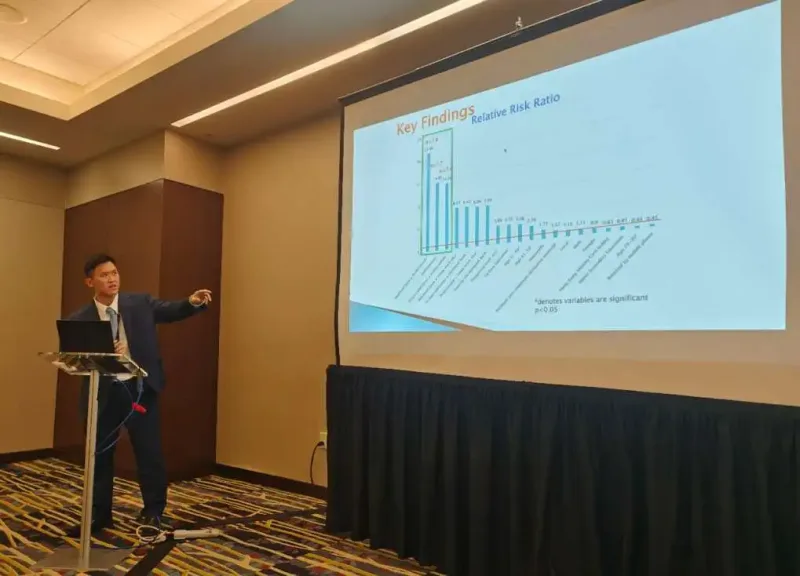
Xu Xingdi
Endowment Fund Manager and Government Relations Officer, Shanghai Advanced Institute of Finance, Shanghai Jiao Tong University
Master of Social Sciences in Criminology and Criminal Justice, University of Macau, Currently Pursuing a PhD in Education
“From 2014 to 2017, I pursued my master’s degree in Criminology within the Faculty of Social Sciences at the University of Macau. During this time, I participated in several impactful research projects, including the Prison Social Survey in neighboring areas , Identifying and Preventing Cybercrimes: Evidence from Documents in China, the Macau Social Survey, and Asian Gambling Research. These experiences developed my appreciation for sociological theories and advanced research methodologies, honing my quantitative analysis skills and sociological imagination.
My criminology training has profoundly influenced my interdisciplinary career. It instilled two core principles: always prioritize empirical evidence and scientific methods in decision-making, and innovate by blending cutting-edge theories with classical insights while grounding work in personal strengths and local contexts. More importantly, the mentorship from dedicated professors—who provided academic inspiration and continued career support long after graduation—has been a truly priceless experience for me.
Participating in social surveys also sharpened my leadership and resource integration abilities. Encouraged by faculty and peers, I served as President of the University of Macau Criminology Association and as a House Tutor, building lasting networks that have endured to this day. Today, I hold roles as Vice President of the University of Macau Shanghai Alumni Association and Council Member of the Shanghai-Macau Friendship Association Youth Committee and the Shanghai-Macau Economic and Cultural Development Association Youth Committee, actively fostering economic and cultural ties between Shanghai and Macau.
Recently, I had the honor of accompanying a delegation from the Shanghai Advanced Institute of Finance back to Macau, where we met with Mr. Ho Iat Seng, Chief Executive of the Macau Special Administrative Region. I shared with him how privileged I felt to have studied criminology at the University of Macau.
If you’re passionate about social phenomena, eager to examine human behavior and societal issues through rigorous scientific methods, and seek a supportive, inspiring academic community, I warmly invite you to join us as a future alumnus.”
Langston Pat
Alumni of the Master Programme in Criminology and Criminal Justice
Current PhD Candidate in Sociology (Criminology), University of Macau
“My time pursuing a master’s degree at the University of Macau has been immensely rewarding and enriching. The comprehensive curriculum, dynamic learning environment, and esteemed faculty created an ideal setting for personal and intellectual growth. Courses that extended beyond the classroom—such as a visit to Macau’s Drug Rehabilitation Center—stand out as particularly enriching, reinforcing that robust academic research demands both theoretical depth and real-world observation.
I also benefited greatly from interactions with professors from diverse disciplines, whose warmth, accessibility, and generosity enriched my learning. My supervisor, Professor Jiang Bo, left a lasting impact with his life philosophy and guidance. His selfless support and encouragement carried me through my academic journey. He once reminded me: “Choices are paramount in life; they profoundly shape your future.” These words continue to inspire my pursuit of excellence in criminology.”
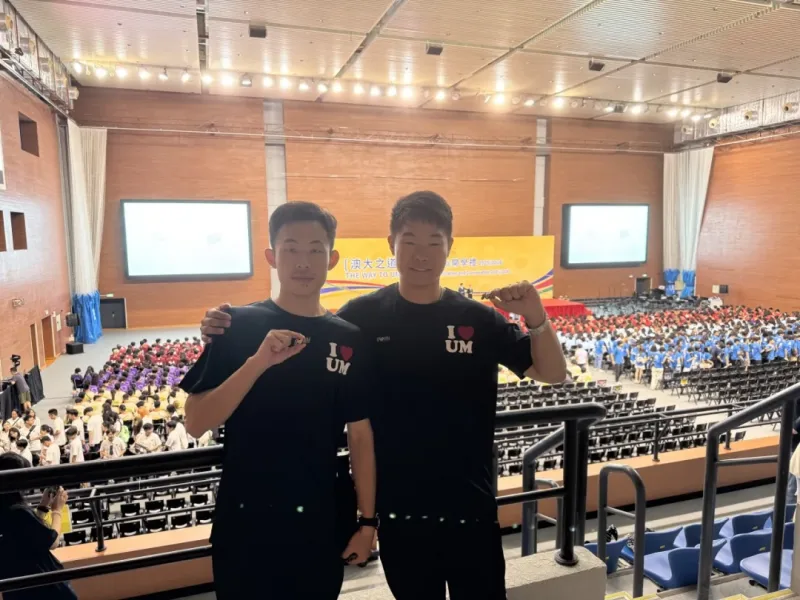
Ji Pengfei (right)
Ji Pengfei
Current Master’s Student, Criminology and Criminal Justice Programme, University of Macau
“I was first attracted by the programme’s evocative name. As my studies progressed, I discovered that the content was far more engaging and multifaceted than I had anticipated. I had expected a strong emphasis on legal studies with a humanities orientation, but criminology revealed itself to be a truly interdisciplinary field, integrating insights from sociology, law, psychology, and other disciplines. It places particular emphasis on combining theoretical frameworks with empirical evidence to examine criminal phenomena and their broader societal impacts.
Statistics and research methods were significant challenges at first, but they became fascinating tools for uncovering crime patterns and insights. The programme’s appeal lies in its innovative teaching, thoughtful course design, and approachable faculty—creating an open, communicative atmosphere quite different from my undergraduate experience in mainland China. It has been a refreshing and transformative academic adventure.”
Gloria Lam
Current Master’s Student, Criminology and Criminal Justice Programme, University of Macau
“My passion for criminal justice first emerged during my undergraduate studies in Law. The more I explored criminal law, the more I realized my true interest lay not merely in addressing crimes after they occur, but in understanding their root causes, evolution, and wider societal implications. Guest lectures by Professor Guo Shiya on intimate partner violence and by Professor Zhao Ruohui on criminology were pivotal—they firmly convinced me to pursue this master’s degree.
In the past year, the programme has enriched me enormously. Core courses on quantitative and qualitative methods, criminal psychology, applied statistics, and corrections have broadened my horizons, while the department’s frequent seminars and exchanges keep us engaged with the latest research and provide tailored mentorship. My conversations with Professor Xu Jianhua, in particular, consistently inspire new ideas and deeper thinking.
Moreover, what truly sets the department apart is its open and inclusive environment, nurtured by committed faculty and supportive staff. The diversity of our student cohort—spanning varied academic disciplines and professional experiences—fosters vibrant and insightful peer interactions.
For me, opting for criminology was a courageous but immensely rewarding choice. The experiences gained here are preparing me to pursue advanced research and a fulfilling career with greater purpose and capability.”

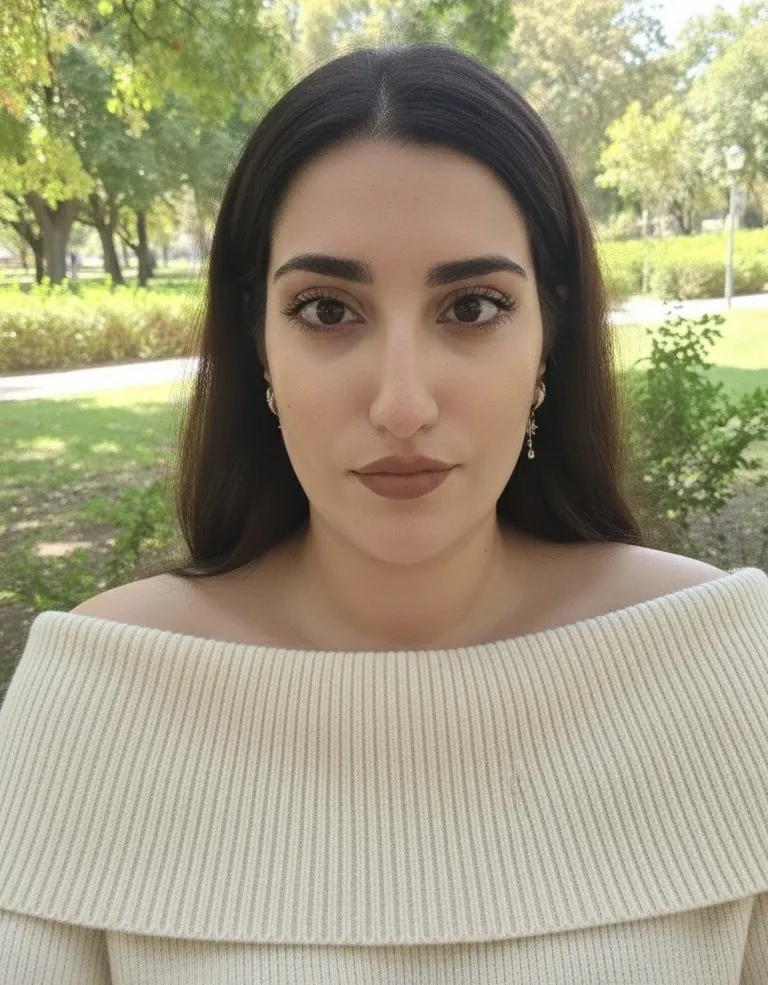
Teresa Salvati
Current Master’s Student, Master Programme in Criminology and Criminal Justice, University of Macau
“My decision to join the programme stemmed from a desire to uncover the “why” behind crime. The professors are not only brilliant scholars but passionate mentors who encourage independent thinking through lively class debates. The curriculum strikes an excellent balance between foundational theory and practical, research-oriented skills. It’s challenging in the most rewarding way, constantly pushing us to view issues from fresh angles and think critically. I highly recommend it to anyone interested in the field, regardless of background.”
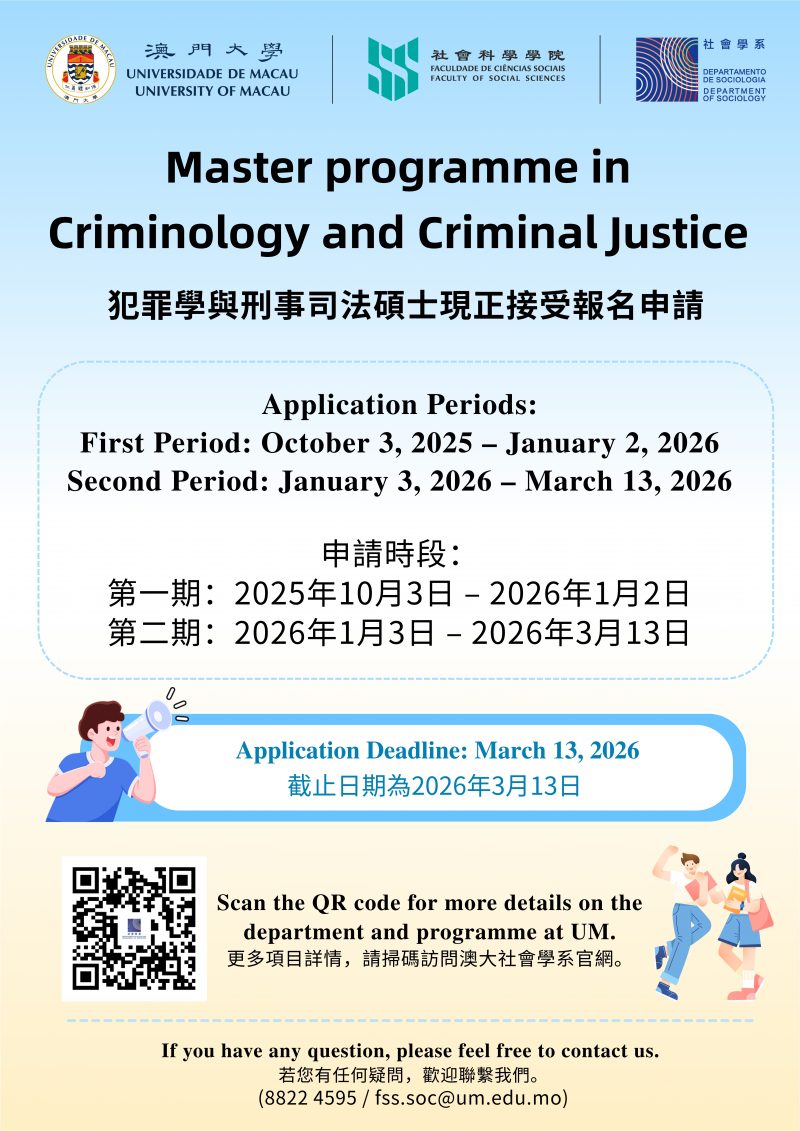
Application
Applications are now open for the Master of Social Sciences in Criminology and Criminal Justice programme, offered by the Department of Sociology, Faculty of Social Sciences, University of Macau, for the 2025/2026 academic year!
Application Deadline: March 13, 2026
Application Periods:
– First Period: October 3, 2025 – January 2, 2026
– Second Period: January 3, 2026 – March 13, 2026
About the Programme
Established in fall 2009 by the Department of Sociology, Faculty of Social Sciences, the programme is now one of Asia’s largest and most innovative criminology master’s degrees. It provides thorough training blending theory and practice, developing interdisciplinary thinking, research proficiency, and globally minded professionals with humanistic values.
Students acquire core expertise in criminology, criminal justice policy, criminal psychology, statistics, and research methods, complemented by opportunities to engage in faculty-guided projects tackling real-world issues. This hands-on approach sharpens critical thinking, hones practical skills, and fosters a sophisticated understanding of crime within its broader social context—equipping graduates for advanced academic pursuits or rewarding professional careers.
This two-year programme, taught entirely in English, draws on insights from sociology, psychology, law, anthropology, biology, and psychiatry. It employs a wide range of methodologies to rigorously examine the causes, consequences, and interventions related to criminal behavior, striking a careful balance between theoretical depth and policy-oriented practice to build robust academic and applied foundations.
Core courses include Criminology and Criminal Justice, Criminological Theories, Applied Statistics, and Research Methods. A variety of electives—such as Policing, Corrections, and Criminal Psychology—enable students to tailor their studies to personal interests and career aspirations. Upon successful completion, graduates are awarded a Master of Social Sciences in Criminology and Criminal Justice.